
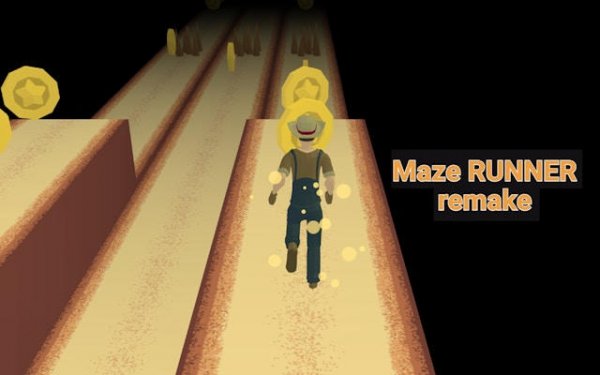
About This Game
Core Gameplay Loop
Maze Sprint combines the tension of a countdown timer with the spatial reasoning of maze navigation. Players control a character moving through a grid of corridors that rearrange with each attempt. The primary goal is to locate the exit point while collecting scattered tokens along the way. Unlike traditional runners that scroll automatically, this game requires active decision-making at every junction. The maze structure changes frequently, so memorizing a single route is not possible. Instead, players must read the layout quickly and commit to a path, adjusting when walls shift or new openings appear.
Obstacle Variety and Timing
Several hazard types keep the experience fresh. Closing walls gradually narrow passages, forcing players to move swiftly or find alternate routes. Falling debris marks certain tiles as dangerous, requiring a detour or a well-timed dash. Hidden pits are another challenge, appearing as normal floor until the character steps on them. Learning to recognize subtle visual cues helps anticipate these threats. The timing of each obstacle is consistent within a run, but the placement changes between games, so reaction speed and pattern recognition both matter.
Scoring and Progression
Tokens collected during a run contribute to a final score, but they are optional. The main objective is reaching the exit before the timer runs out. Successfully completing a maze unlocks more complex layouts with tighter time limits and denser obstacle placement. This gradual difficulty curve ensures that newcomers can learn the basics before facing harder challenges. There is no permanent penalty for failing; players simply restart with a new maze. This design encourages repeated attempts without frustration, as each failure provides a fresh puzzle to solve.
Visual Design and Feedback
The game uses a clean, colorful art style that makes maze walls, tokens, and hazards easy to distinguish. Visual feedback is immediate: the character glows when near the exit, and obstacles flash before activating. These cues help players plan their next move without overwhelming the screen. The interface is minimal, showing only the timer and token count, so attention stays on the maze. This clarity is especially helpful during fast-paced sections where split-second decisions determine success.
Replay Value and Variety
Because each maze is generated procedurally, no two runs are identical. The combination of corridor layouts, obstacle positions, and token placements creates near-infinite permutations. Players who enjoy optimizing their routes can attempt to beat their best times, while those who prefer exploration can take different paths to see what each maze offers. The game does not include a story or campaign mode, focusing instead on short, repeatable sessions that fit into brief play periods. This makes it suitable for casual gaming on the go.







Comments
0 comments