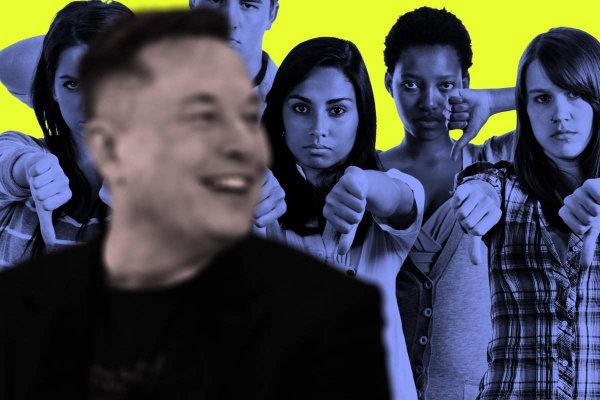
Jury selection in Elon Musk's federal trial over his $44 billion acquisition of Twitter opened with a familiar problem: finding people who can set aside strong opinions about one of the most publicly divisive figures in America. More than a third of the over 90 prospective jurors said they could not be impartial and were dismissed, according to Courthouse News.
Judge Charles R. Breyer addressed the remaining pool directly, asking whether they could judge the defendant based "solely, emphasize solely, on the evidence produced in this trial and the law as I give it to you," regardless of their views on Musk, Twitter or Tesla. He also warned that strong feelings about the presidency should not enter the courtroom, a nod to Musk's close ties to the Trump administration and his leadership of the so-called Department of Government Efficiency.
The Defense Objection Over Jurors With Negative Views
Some prospective jurors who were not dismissed acknowledged holding strongly negative opinions of Musk while insisting they could still be impartial. Musk's attorney Stephen Broome objected, arguing that in any other case a juror who said "I hate that guy and he has no moral compass" would be removed. Breyer rejected the argument, noting that Musk is a public figure who will inevitably excite strong views, and that the question is whether jurors can set those views aside.
The trial, scheduled to run from March 2 through March 16, centers on allegations that Musk manipulated Twitter's stock price while closing the deal. The plaintiffs point to a May 2022 tweet in which Musk told his hundreds of millions of followers the deal was "on hold" pending calculations that spam and fake accounts represented less than 5 percent of users. Twitter's shares fell 9 percent the following day. Days later, Musk claimed bots and spam accounted for 20 percent of the user base and demanded proof of the lower figure. Critics at the time saw the statements as a pretext to back out of the deal or to renegotiate at a lower price; Musk said at the time that renegotiating was not "out of the question."
The case will proceed with nine jurors and no alternates. The deal's $44 billion price tag was widely viewed as overpriced relative to Twitter's revenue of several billion dollars and its recent operating losses.


Editorial Notes