Dutch innovation company Connecterra has developed an AI-powered cow monitoring system that it claims can identify sick cows 24 to 48 hours before visible symptoms emerge, raising questions about whether such technology is necessary given dairy farmers' long-standing ability to spot illness through observation.
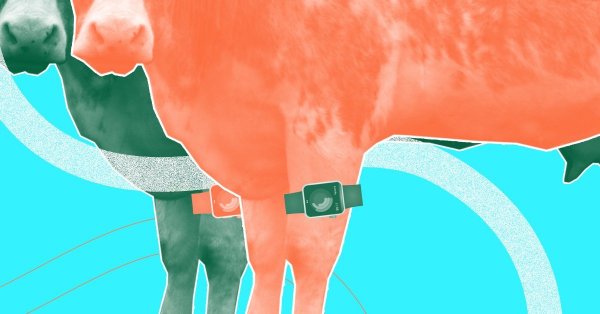
The system, built on Google's open-source TensorFlow platform, uses motion-sensing devices attached to a cow's neck—described as "FitBits" for cattle—to track individual behavior. According to Connecterra, the system analyzes changes in internal temperature not explained by external factors such as high outside temperatures and humidity. It also learns behaviors including walking, standing, laying, and chewing, and alerts farmers when a cow deviates from its normal patterns, such as skipping a second helping of hay.
Yasir Khokhar, a former Microsoft employee and Connecterra's CEO, said the technology has produced measurable results. "For a typical Dutch farm, which are generally known to be very productive to begin with, we've seen about a 20 percent to 30 percent gain in efficiency in farm operations using Connecterra," he said.
But not all farmers are convinced the technology is needed. Mark Rodgers, a Georgia dairy farmer, told the Washington Post that his own observation skills remain reliable. "I can spot a cow across a room that don't feel great just by looking in her eyes," he said.
The cost of adopting Connecterra is substantial: $79.99 per cow for the hardware, plus a $3 monthly charge per cow. For farms with large herds, those figures accumulate quickly.
AI Expands Across Livestock Farming
Connecterra's system is part of a broader trend of AI adoption in agriculture. Farmers in China have been using RFID tags and overhead cameras with machine learning to track individual pigs, and even analyze the noises pigs make to monitor for disease.
Benefits and Open Questions
The potential benefits for animal welfare are clear: faster response to illness and behavioral changes could improve outcomes for individual cows. But questions remain about the long-term impact on farmer intuition. If farmers increasingly rely on sensor data, will their ability to detect illness through direct observation diminish over time? And what happens to the next generation of dairy farmers who may never develop those skills?
Dairy farming has existed for at least 7,500 years, and the debate reflects a tension between technological aids and traditional expertise. The source material suggests the goal is finding a balance between farmer intuition and technological tools.


Editorial Notes