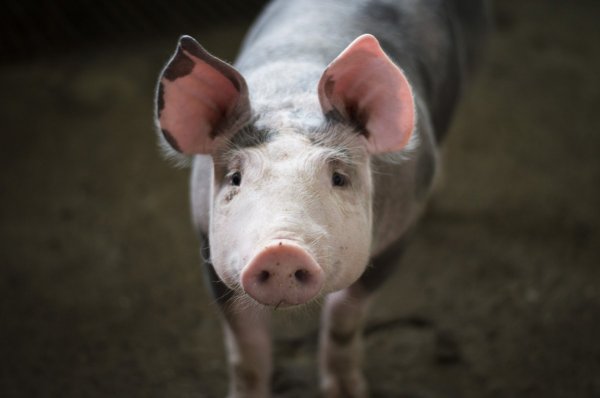
Alibaba has partnered with pig farming corporation Dekon Group and pig feed manufacturer Tequ Group to test an AI-powered monitoring system called ET Brain, which the companies began exploring in February 2018. The system is designed to address persistent difficulties in tracking China's estimated 700 million pigs — the world's largest pork herd — and could reduce losses for farmers.
China is the world's largest producer and consumer of pork, and farmers face constant challenges: ensuring piglets are not crushed by their mothers, preventing sows from being bred past their prime, and stopping sick pigs from spreading illness through the population. The current tracking method — clipping wireless radio frequency identification (RFID) tags to pigs' ears — is expensive, time-consuming, and provides only basic location data. The tags cannot determine anything about an animal's health or wellbeing.
Under the new system, each pig is tattooed with an ID number instead of wearing an RFID tag. Overhead cameras use machine vision technology to track individual pigs, noting how much each pig moves and where it goes. The system combines that movement data with infrared temperature readings to estimate the animal's health.
Voice Recognition for Disease and Danger
The AI system also uses voice recognition to monitor pigs. It can detect the sound of a pig coughing to flag potential disease, and if it hears a young pig squealing, it alerts the farmer that a piglet may be in danger. Alibaba told Chinese news outlet Synced that this feature alone can lower piglet death rates by 3 percent. The company said farmers also save money because each sow produces an additional three piglets per year.
Whether ET Brain gains traction with other Chinese farmers remains uncertain. If it does, the system could eventually spread to other markets. Such adoption could benefit livestock owners by reducing costs, though it may also contribute to the displacement of farmhands as AI takes over tasks previously performed by workers.


Editorial Notes