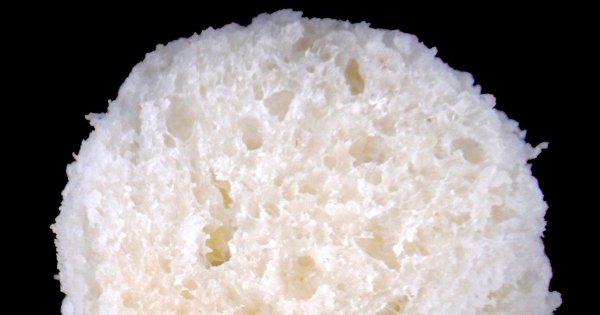
A team of scientists has demonstrated that Irish soda bread can serve as a scaffold for growing human cells, according to a preprint study shared on BioRxiv. The work, led by University of Ottawa researcher Andrew Pelling, found that human muscle, skin, and bone cells were able to cling to and proliferate on the treated bread.
Pelling told New Scientist that the project “seemed like a fitting project for these times,” referencing the pandemic baking trend. The team experimented with several types of bread, but many early attempts—including all gluten-free recipes—resulted in what New Scientist described as a “soggy mess.” Irish soda bread proved successful after being baked, sterilized with alcohol, and chemically treated to reinforce its structure.
From Pandemic Baking to Lab Bench
The researchers’ goal was to test whether bread could function as a bio-scaffold, a structural support that cells can grow on. Currently, collagen is a common scaffold material, but it is expensive. If bread proves viable, it could drive down the cost of medical treatments and lab-grown meat production.
“It’s remarkable to me how human and animal cells have this capacity to grow in really odd, artificial environments,” Pelling told New Scientist. So far, the team has confirmed that cells can grow on the bread, but it remains unknown whether those cells will be useful for clinical or commercial applications.
Glenn Gaudette, a researcher at Worcester Polytechnic Institute who was not involved in the study, told New Scientist that “while there are still many studies needed to determine if bread is a viable scaffold, this innovative thinking by Pelling can help push the field in new directions.”






Editorial Notes