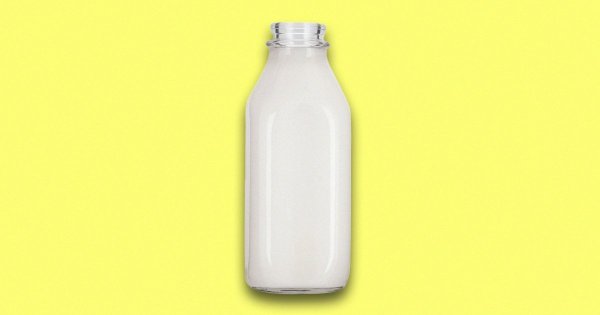
Scientists at Clarkson University have identified a new material for capturing carbon dioxide from the atmosphere: waste milk. The research, published in the journal Advanced Sustainable Systems, found that surplus milk can be converted into activated carbons—porous materials that bind to carbon—offering a potentially cheaper and more environmentally friendly alternative to current sources like coconut shells or coal.
Dairy farms discard about 50 million gallons of surplus milk each year, according to a Clarkson University press release on the study. Instead of disposing of it, the researchers say this milk can be transformed into activated carbons with the right porosity and surface chemistry to adsorb CO2.
"Powdered milk can be converted into advanced activated carbons with the right porosity and surface chemistry to adsorb the CO2," said study coauthor and Clarkson chemist Mario Wreidt in the release, "allowing much better control than with the current materials used for this process, like coconut shells or coal."
The approach could also benefit the dairy industry. "This use of waste milk could actually be a boost for the dairy industry," Wreidt added, as it creates a market for a product that is currently thrown away.
Dairy farms are significant sources of greenhouse gases, largely due to methane emissions from cows. Using dairy waste to capture carbon dioxide would address both food waste and emissions, though the research is still in its early stages.






Editorial Notes