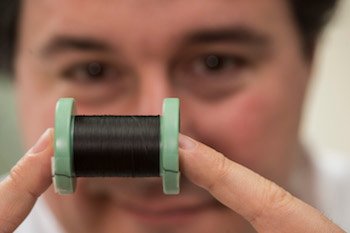
Carbon nanotube fibers, first developed to replace electrical wires in commercial airplanes, are now being investigated for a different role: delivering the electrical signals that regulate a heartbeat. Because the fibers are both soft and highly conductive, researchers say they can carry the kind of electrical impulses that tell a heart when to contract and relax.
According to the researchers, the carbon nanofibers are mechanically "very similar to a suture." That flexibility contrasts with the metal wires used in current devices such as pacemakers. Metal wires can prompt the human body to create scar tissue over time, a complication that the softer fibers may avoid.
Testing is still at an early stage. Researchers are currently evaluating the fibers' biocompatibility, and the human trial process should begin in the next few years. One possibility raised by the researchers is that nanotechnology could cause a "paradigm shift" in treatment for sudden cardiac death.
No results from human trials are available yet, and the researchers have not announced a specific timeline beyond the next few years. The path from biocompatibility testing to approved therapy remains uncertain, but the work points to a potential alternative to the metal wiring that has long powered implantable heart devices.






Editorial Notes